Section 702 of FISA allows U.S. intelligence agencies to conduct warrantless surveillance of foreigners overseas by compelling U.S. telecom and tech companies to turn over communications. Abuse occurs primarily through “backdoor searches,” where agencies misuse this vast intelligence database to search for the personal data of U.S. citizens domestically without a warrant.| Mediocre Mamma | June 22, 2026 Related Information: DOJ’s secret search of journalist’s accounts omitted press law (Article date: October 1, 2026)
-
-
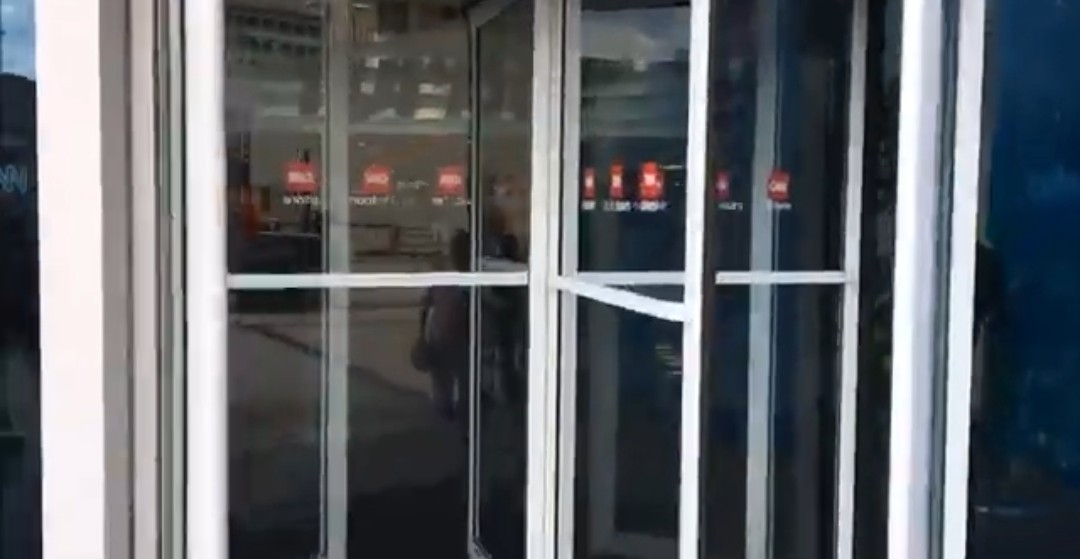
Founded by Ted Turner and Reese Schonfeld, CNN (Cable News Network) launched on June 1, 1980, as the world’s first 24-hour all-news television network. Headquartered in Atlanta, Georgia, the popular behind-the-scenes studio tour at the CNN Center began in 1987 and ran for over 30 years. However, the studio tour is now permanently closed, having been halted in March 2020 due to the COVID-19 pandemic before the network ultimately consolidated its Atlanta operations away from the CNN Center entirely. Prior to its closure, standard admission tickets typically cost between $13 and $15 for adults, with specialized VIP experiences costing roughly $35 to $49. Check out this CNN Studio tour by…
-
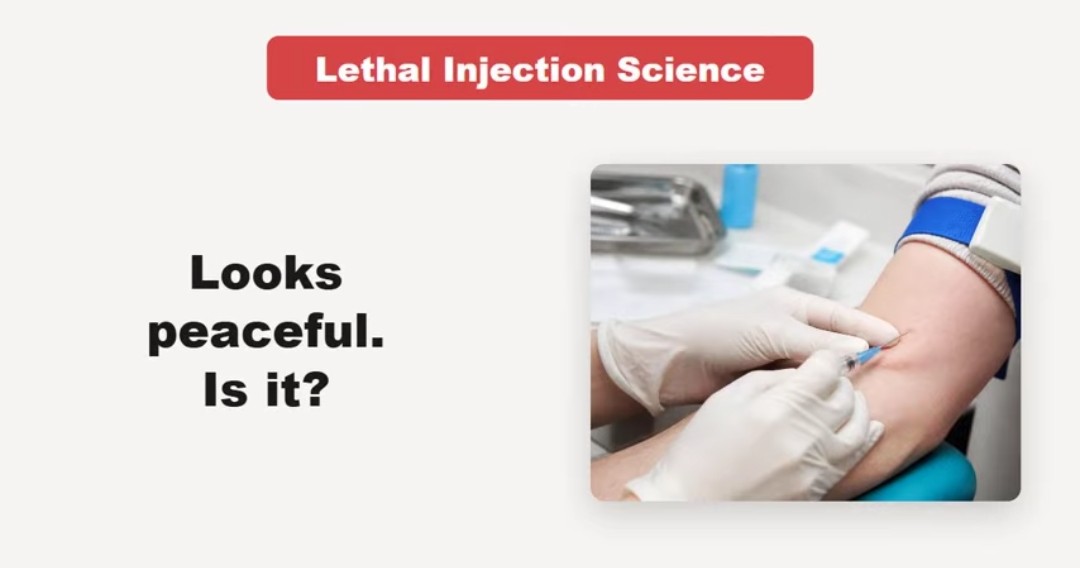
Death Decoded explores the science behind lethal injection, detailing the biological and chemical processes that occur during the execution. It challenges the perception of a ‘peaceful’ death and examines the complexities of the three-drug protocol, the effects on the body, and the uncertainties surrounding anesthesia depth. Scientific insights reveal that the experience of death may be far different from what is observed, raising ethical questions and concerns about the humane nature of this execution method. | August 15, 2026 Related Information: Woman survives two doses of lethal drug in failed execution in Tennessee (Article date: October 1, 2026)
-
Mans cant even eat in peace smh | r/sportsgossips Related Information: Spike Lee Restrained at Yankee Stadium After Fan’s Alleged Palestine Taunt (Article date: September 30, 2026)
-
Fake reviews distort the entire business ecosystem by damaging trust, manipulating customer decisions, and directly hurting revenue. Research shows 72% of local business owners received at least one fake review in the past year, and 79% believe they’ve been targeted by coordinated attacks, which can tank ratings overnight and push customers away. Even a one‑star drop can reduce revenue by 5–9%, meaning a small wave of fake negatives can cost tens of thousands of dollars annually. Platforms like Google and Yelp remove millions of fake reviews, but only 28% of reported fakes get removed promptly, leaving businesses exposed. Fake positives also backfire: when companies are caught planting them, Yelp issues…
-
AerCap is the world’s largest aircraft leasing company, owning one of the biggest fleets of commercial jets, engines, and helicopters and leasing them to about 300 airlines globally. It holds over 1,500 aircraft, ~1,300 engines, and 300+ helicopters, with total assets around $71 billion, making it the dominant player in aviation leasing. AerCap buys new, in‑demand aircraft from manufacturers like Airbus and Boeing, then leases them long‑term to airlines, giving carriers access to modern fleets without the cost of ownership. The company grew into the industry leader through major acquisitions, including ILFC in 2014 and GECAS in 2021. | Capital Navigator | September 3, 2026 Interested in investing in AerCap?…
-
Aircraft leasing is a financing model where airlines rent planes instead of buying them outright, letting them operate expensive jets without paying the full $100M+ purchase price. A leasing company—called a lessor—owns the aircraft and charges the airline monthly fees to use it, usually through either an operating lease (shorter term, flexible, airline returns the plane) or a finance lease (longer term, similar to owning). This model gives airlines flexibility to grow or shrink their fleets quickly, avoid huge upfront costs, and upgrade to newer aircraft more often, while lessors make money by owning large fleets and leasing them worldwide. | Jet Crumbs | March 15, 2026 Related Information: Iraqi…
-
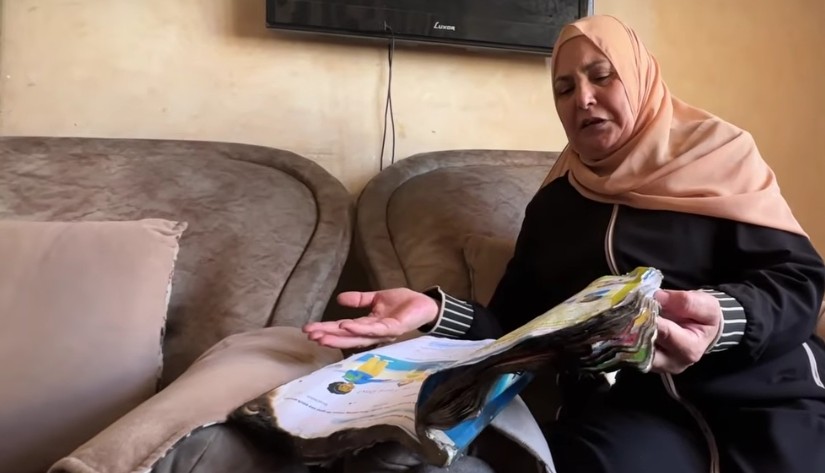
Wafaa Akila was an 8‑year‑old girl from Gaza who was killed on 6 September 2026 when an Israeli airstrike hit the car she was riding in with her father after her first day back at school. They had gone out to buy school supplies, and both died in the strike. | Wafa Agency | September 8, 2026 Related Information: NFL Threatened to Ban Player From Game for Honoring Slain Palestinian Girl (Article date: September 29, 2026)
-
Consumer behavior refers to how people decide what to buy, why they buy it, how they use what they purchase, and how they feel afterward. It examines the full decision process—from recognizing a need, searching for information, comparing options, and making a purchase, to evaluating the experience after using the product. Researchers study consumer behavior to understand the psychological factors (like motivation, perception, and emotion), personal factors (such as age, income, and lifestyle), and social influences (including culture, social class, and reference groups) that shape buying decisions. This field helps explain why people sometimes make rational choices and other times act on impulse, trends, or emotions, and it guides businesses…
-
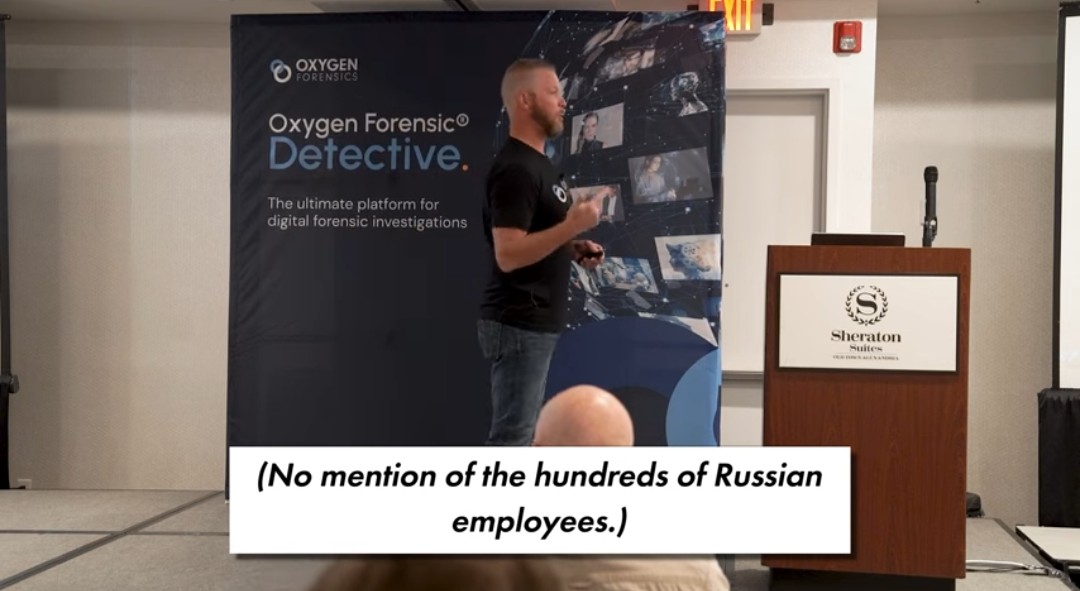
Oxygen Forensics is a digital‑forensics software company that marketed itself as a U.S.‑based, U.S.‑controlled vendor, but federal prosecutors later alleged that it was secretly owned and directed by Russian nationals through offshore structures. According to indictments, the company’s core forensic tools were actually developed in Russia by a related firm that also sold similar technology to Russian security services, while Oxygen Forensics continued selling the product to U.S. government agencies under the appearance of being an American operation. Prosecutors claim the owners concealed their identities, used foreign holding companies, and shifted corporate paperwork to obscure Russian involvement, creating a situation where the company wasn’t a fake shell but allegedly behaved…