
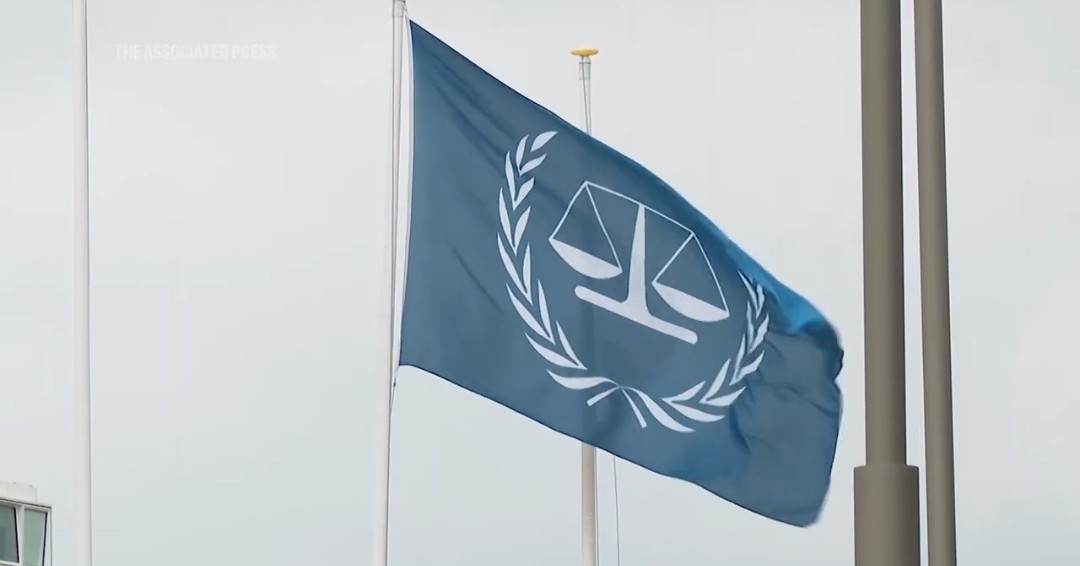
Just in case you dont know what the International criminal court is, Associated Press gives a good breakdown. In case you want to take a deeper dive check out the negatives of the ICC here: Are criticisms that the ICC only serves certain countries and unfairly targets others accurate?
The International Criminal Court has faced long‑standing criticism for disproportionately prosecuting cases in African and Asian countries.Although the ICC argues that it follows legal referrals and jurisdiction rules, the practical outcome is that most of its investigations involve states with less geopolitical power, weaker militaries, and limited ability to resist international pressure.
In contrast, the United States government rejects ICC jurisdiction entirely.The U.S. government has passed laws to prevent cooperation with the ICC, threatened sanctions, and asserted that any attempt to prosecute U.S. personnel would be an attack on national sovereignty. Because the U.S. has significant military, diplomatic, and economic leverage, it can effectively wave off ICC actions in ways that poorer countries cannot.
This creates a global double standard: weaker states often face ICC scrutiny, while powerful states can avoid it.When the ICC attempts to investigate U.S. actions abroad, it represents a rare moment where the U.S. encounters the same kind of judicial pressure that other nations face — but unlike those nations, the U.S. has the resources to push back and prevent enforcement.
In the United States, the criminal justice system shows how power and resources shape legal outcomes.When someone is arrested, they are held in jail until their court appearance — unless they can afford bail. A wealthy defendant can pay bail and walk free while awaiting trial, while a poorer defendant charged with the same crime may remain in jail simply because they cannot afford the cost.
The same dynamic applies to legal representation: defendants who can pay for high‑quality attorneys often have a better chance of beating their case, negotiating favorable plea deals, or avoiding harsh sentences. Meanwhile, defendants who rely on overworked public defenders face structural disadvantages that have nothing to do with guilt or innocence.
This unequal system mirrors what happens on the international stage with the International Criminal Court.
Countries with limited political or military power — often in Africa or Asia — are far more likely to face ICC investigations and prosecutions. These states cannot easily resist international legal pressure.In contrast, powerful nations like the United States reject ICC jurisdiction entirely and use their military, diplomatic, and economic leverage to avoid accountability. When the ICC attempts to investigate U.S. actions abroad, it creates a rare moment where the U.S. experiences the same kind of judicial scrutiny that weaker states face — but unlike those states, the U.S. has the resources to push back and effectively wave off the court.
On both the domestic and international levels, the pattern is the same:legal systems claim neutrality, but outcomes often depend on who has the money, the power, or the leverage to fight back. | November 22, 2024
Related information: America’s war on international justice